Artificial Intelligence
Artificial Intelligence in Robotics
Artificial Intelligence (AI) in robotics represents one of the most transformative technological revolutions of the modern age. By combining the mechanical precision of robots with the cognitive power of AI, we are witnessing machines that can perceive, learn, decide and act autonomously. Unlike traditional programmed robots that follow fixed instructions, AI-powered robots can adapt to new situations, analyze data in real-time and make intelligent decisions. This integration is driving massive progress across industries like manufacturing, healthcare, logistics and domestic services.
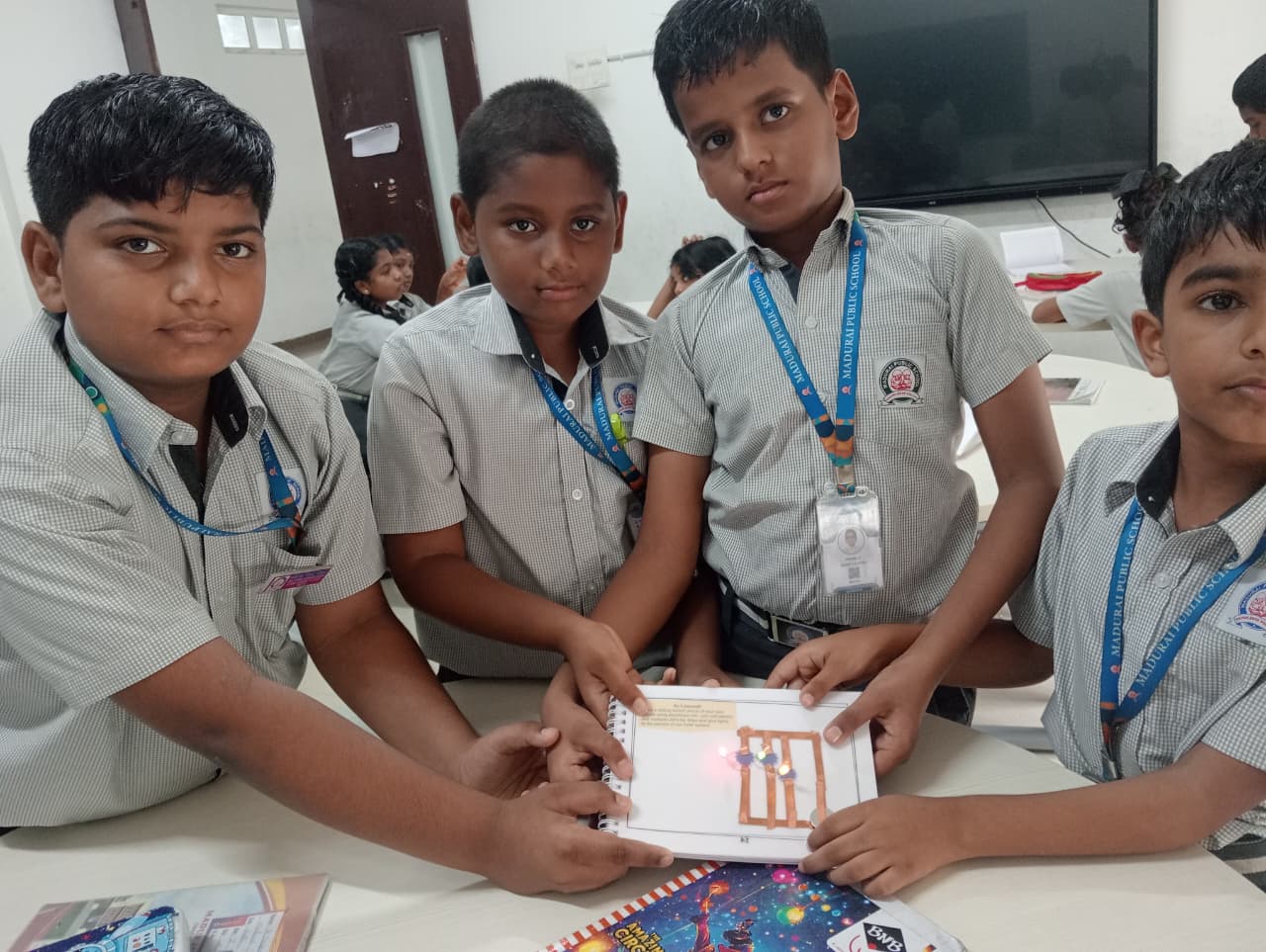
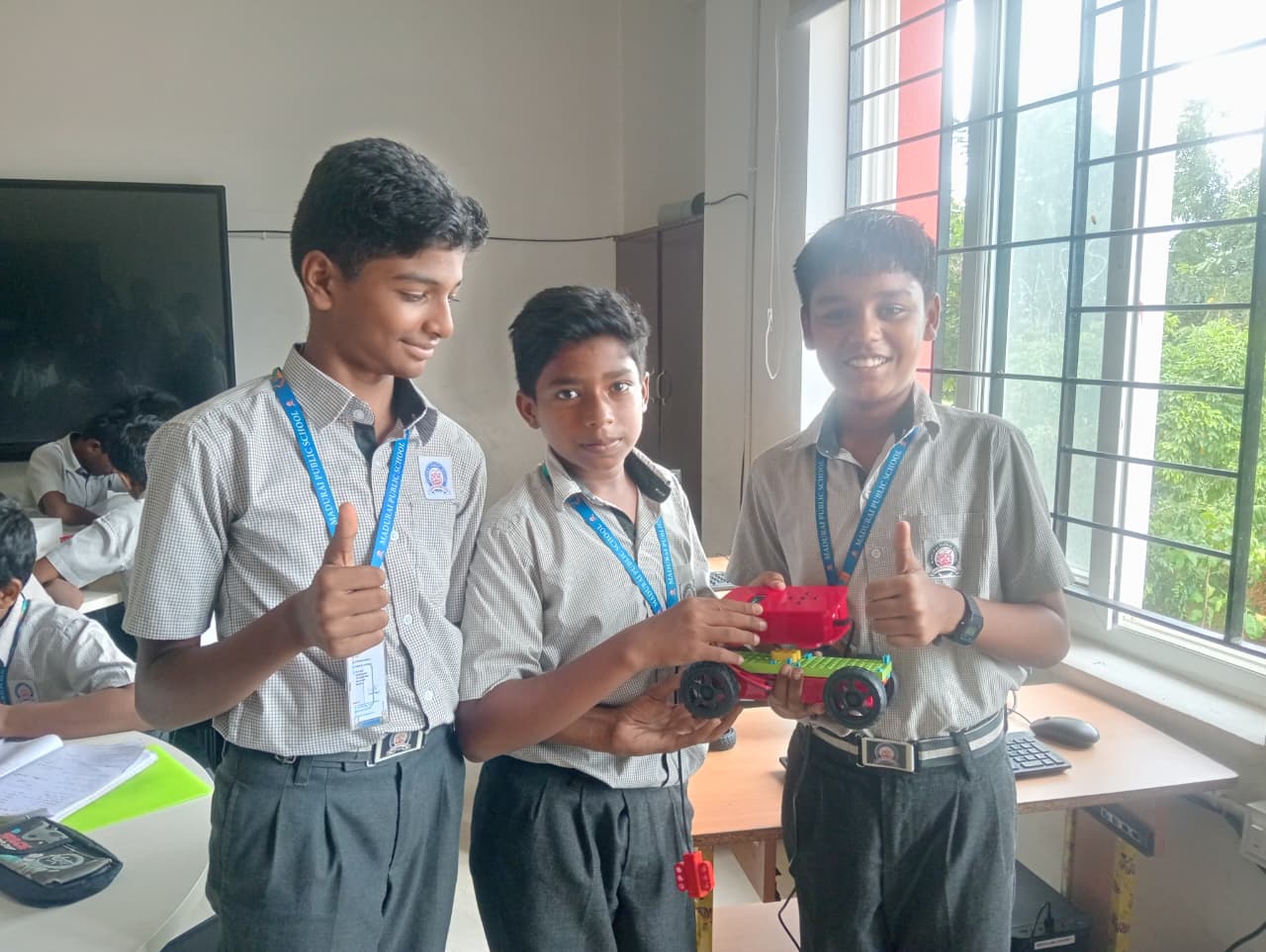
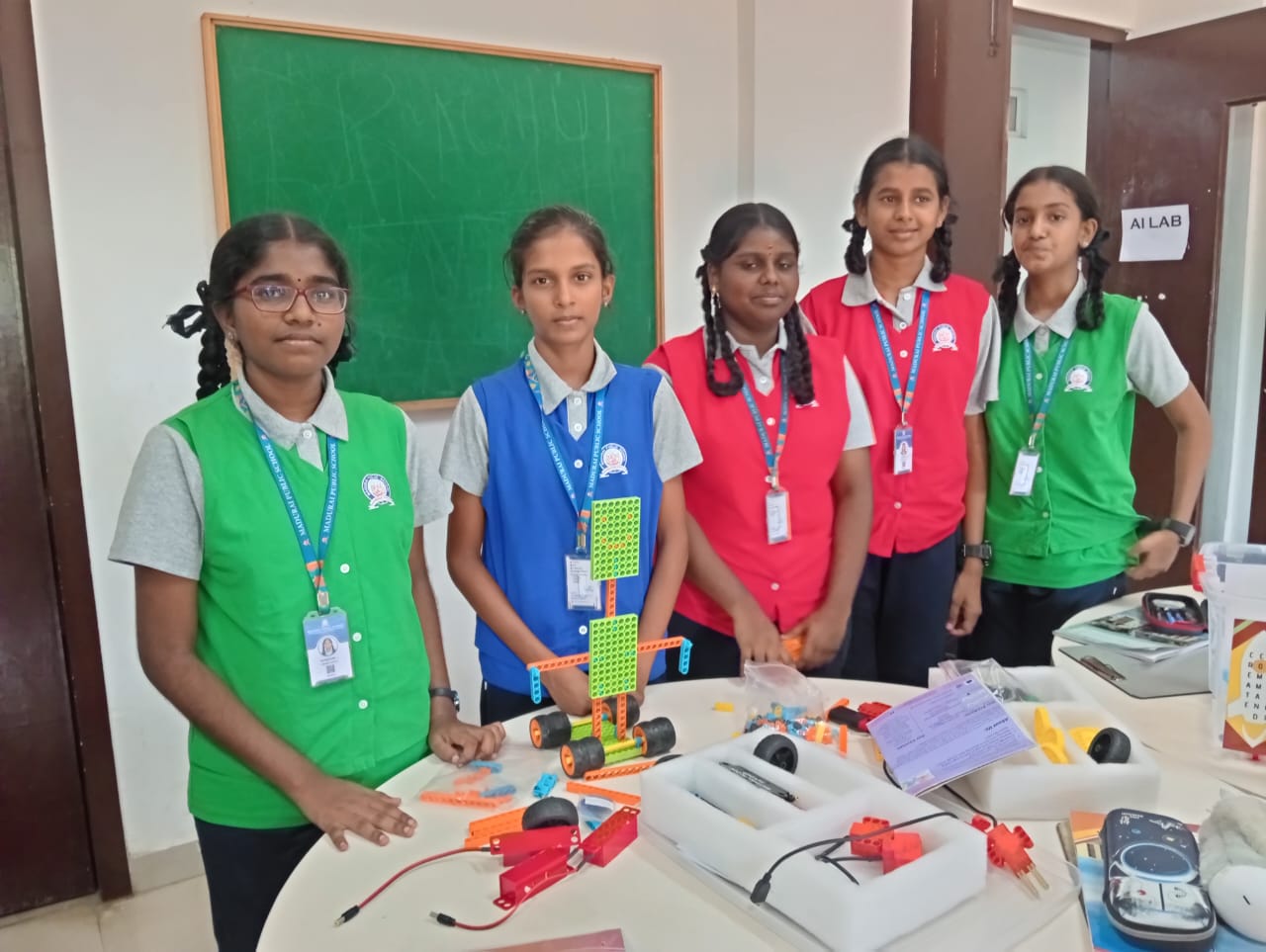
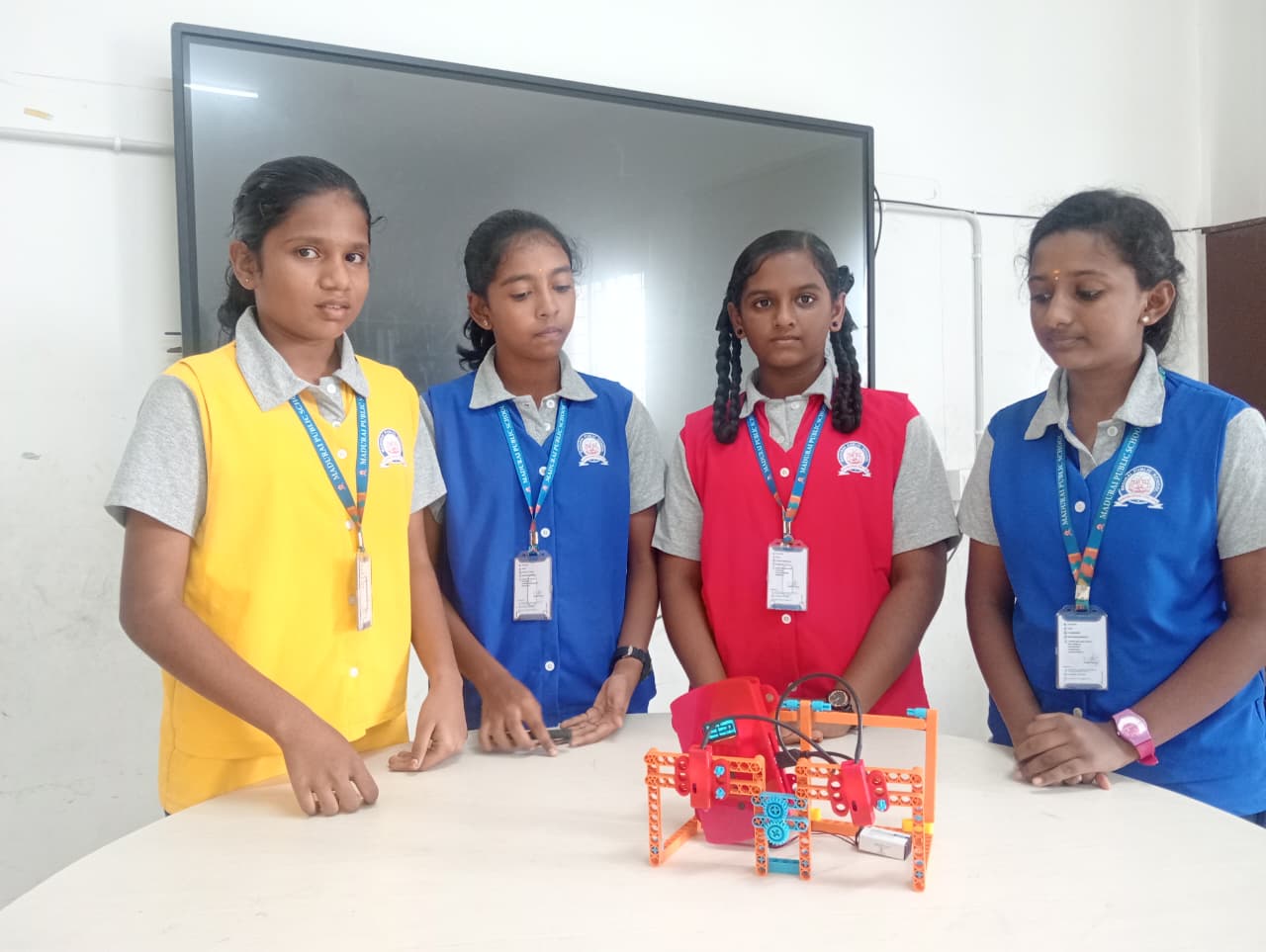
Role of AI in Robotics
Artificial Intelligence plays a transformative role in robotics by infusing cognitive intelligence into mechanical systems. It allows robots to act intelligently, adapt to changes and collaborate efficiently with humans.
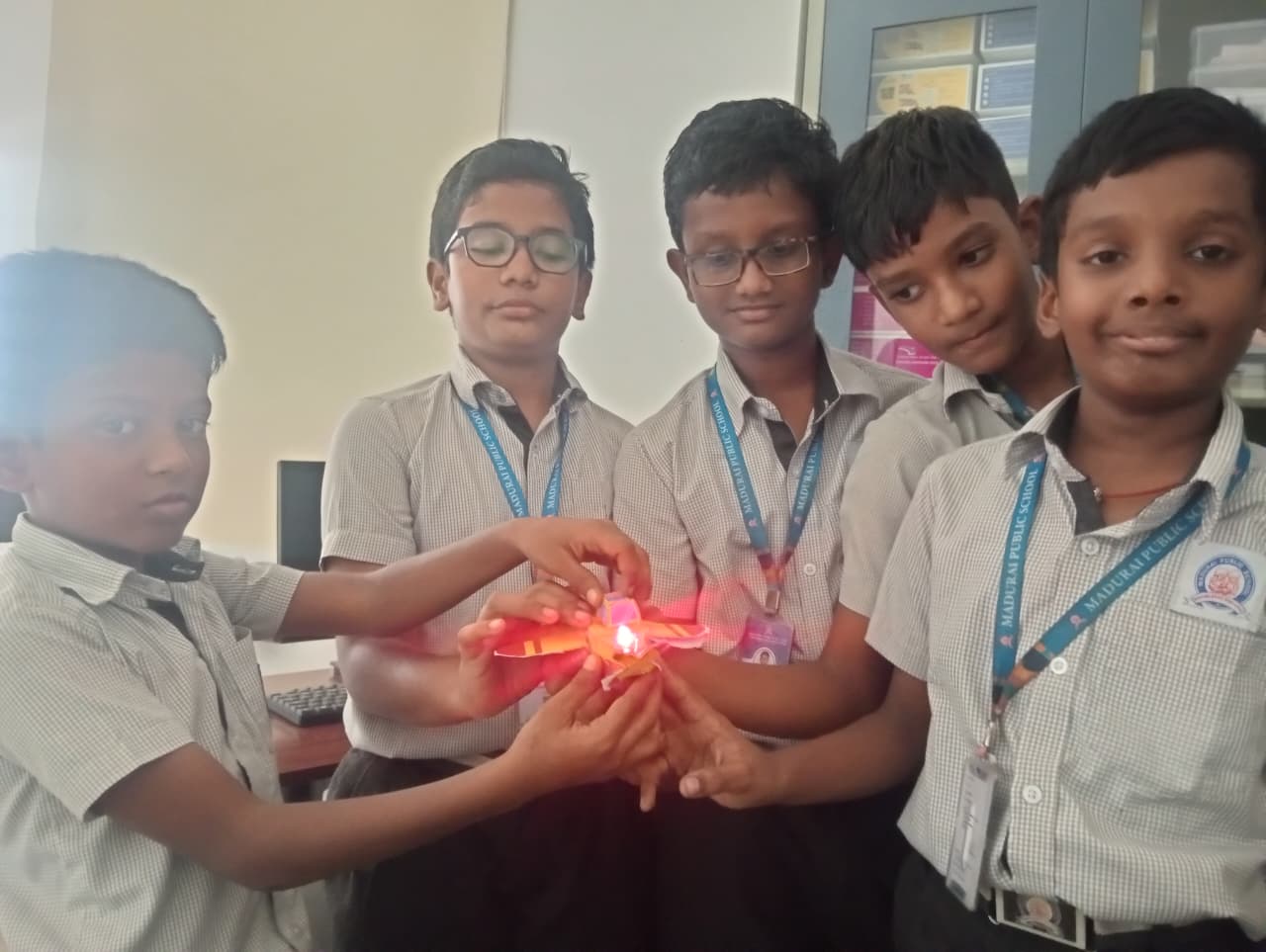
• Autonomy
AI enables robots to perform tasks independently, from navigation to problem-solving.
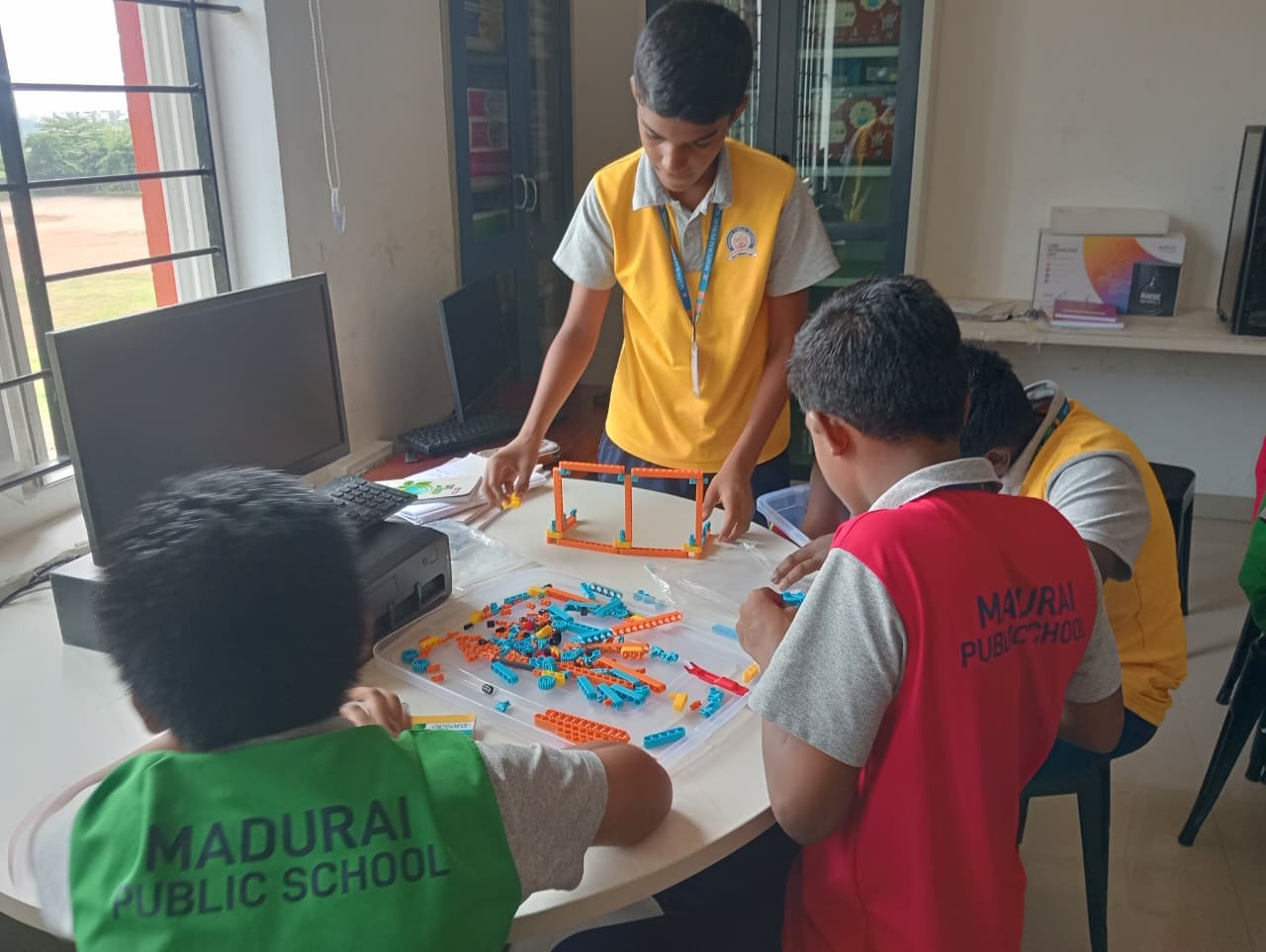
• Perception
AI helps robots interpret sensory data, such as visual or auditory inputs, to understand their surroundings.
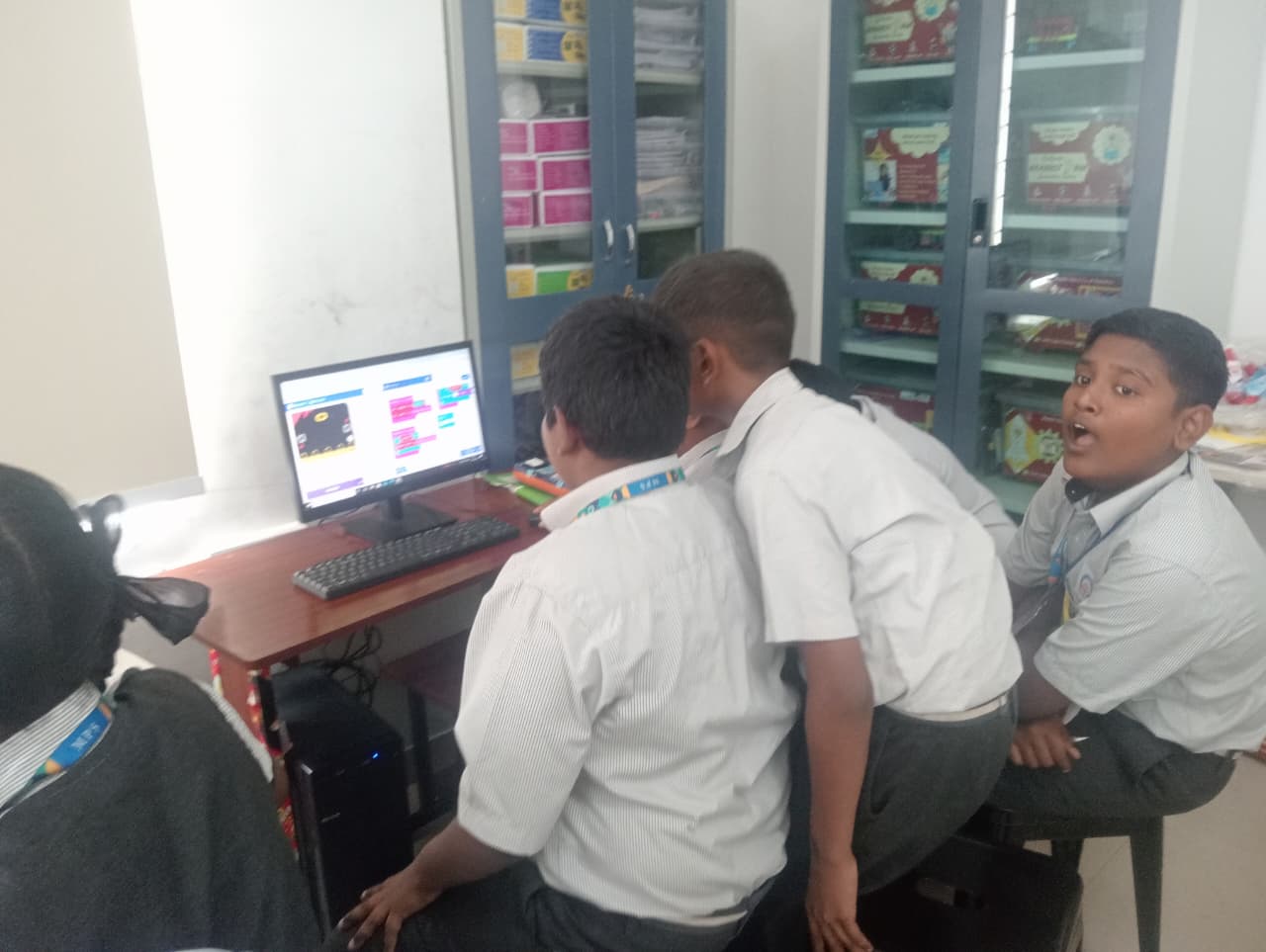
• Adaptation
Machine learning allows robots to learn from past outcomes and adjust behavior dynamically.
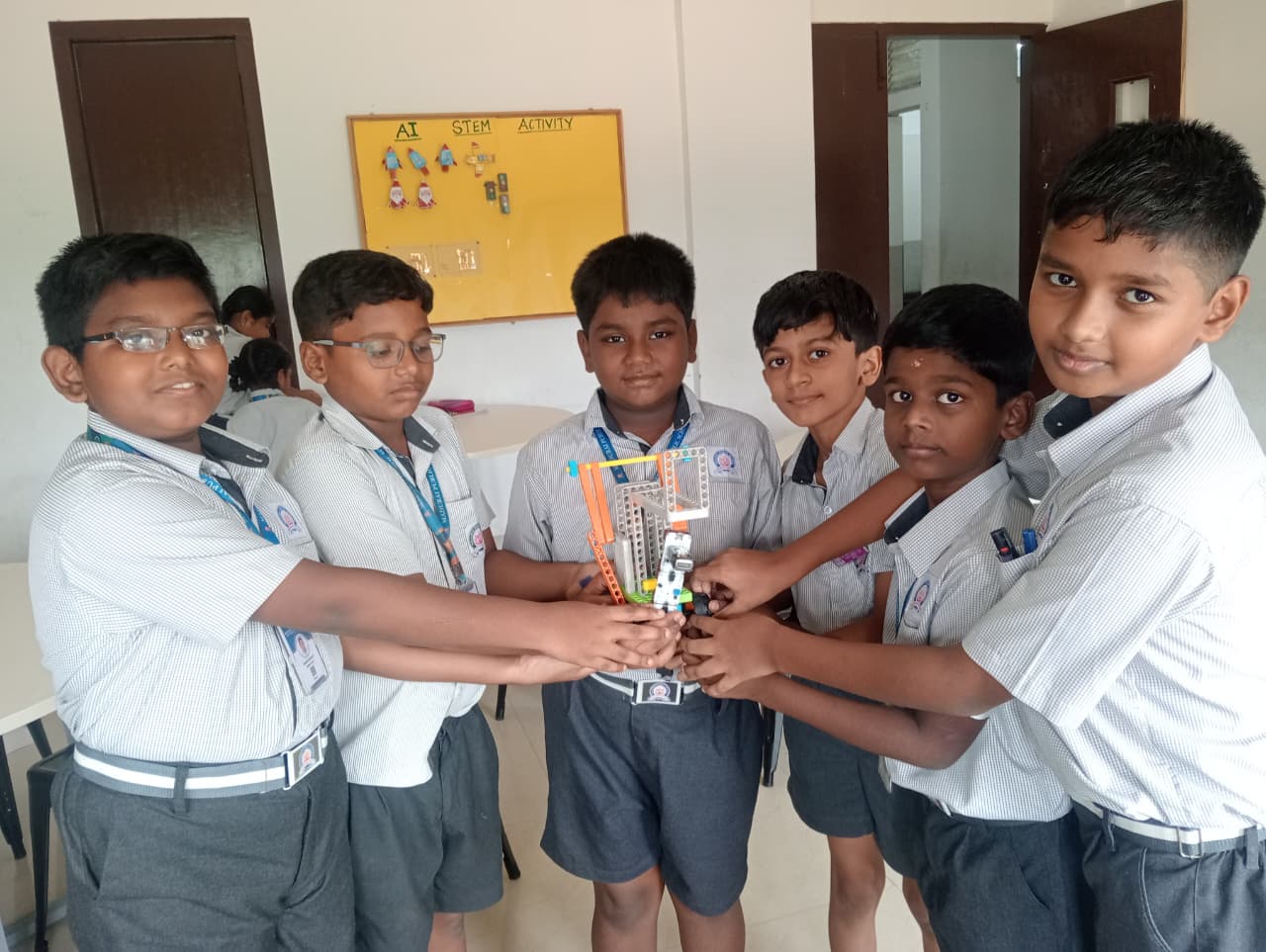
• Reasoning
Robots can make informed decisions based on logic, data analysis and situational awareness.
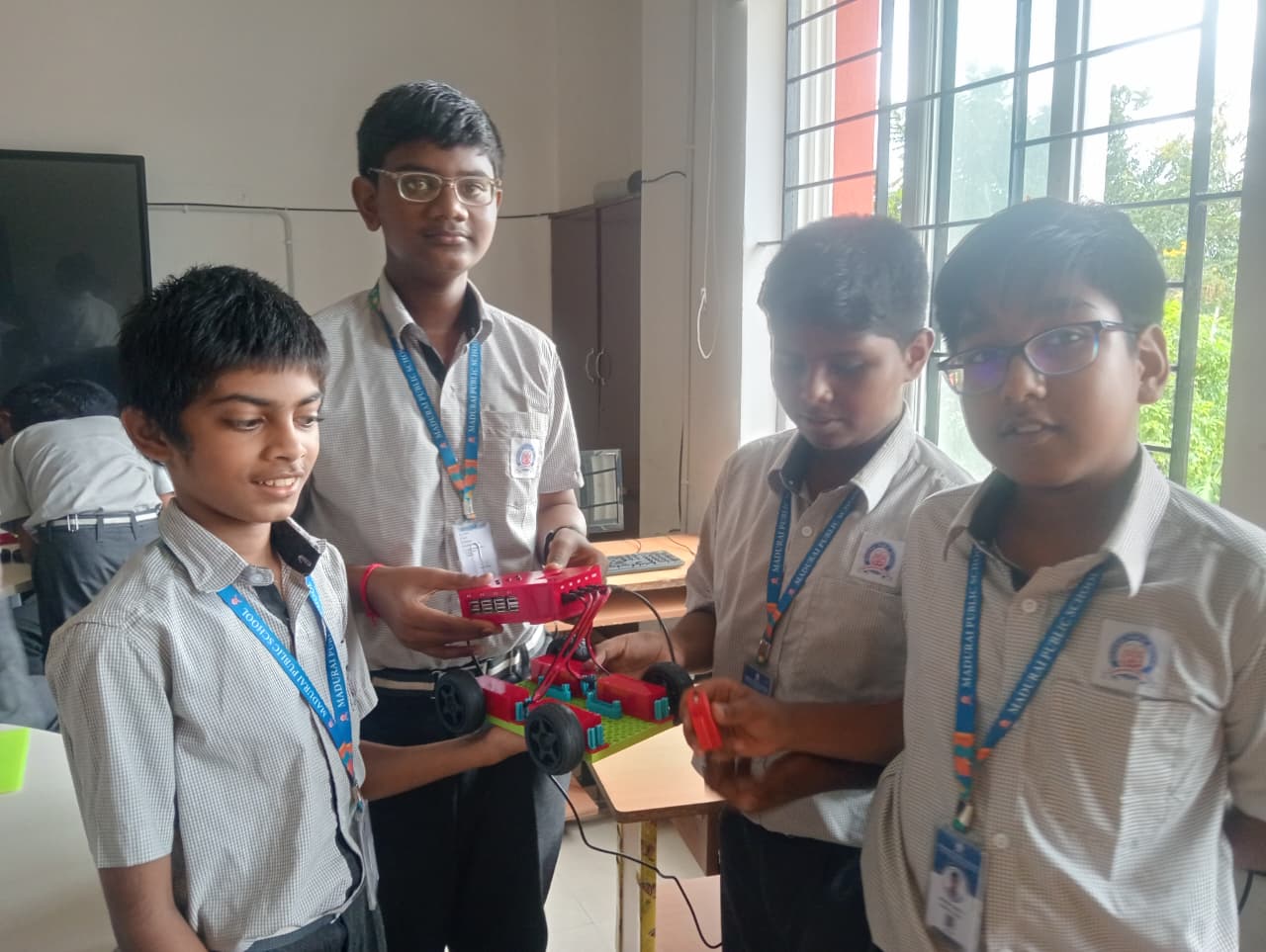
• Interaction
NLP and emotion recognition enable robots to engage naturally with humans, improving collaboration and accessibility.

Advanced AI Systems
Cutting-edge AI technologies powering the next generation of intelligent robotic systems.
Robots and AI Working Together
AI serves as the "brain" of robotics, while robotics provides the "body" that acts upon AI's intelligence. Together, they form systems capable of learning, perceiving and responding like humans.
Working:
• Sensing
Robots collect data using sensors, cameras and microphones.
• Perception
AI algorithms interpret this data to identify objects, speech or surroundings.
• Decision-Making
The AI system evaluates possible actions and selects the most effective one.
• Execution
The robot performs the chosen task using motors and actuators.
• Learning
Through machine learning feedback loops, the robot improves over time.
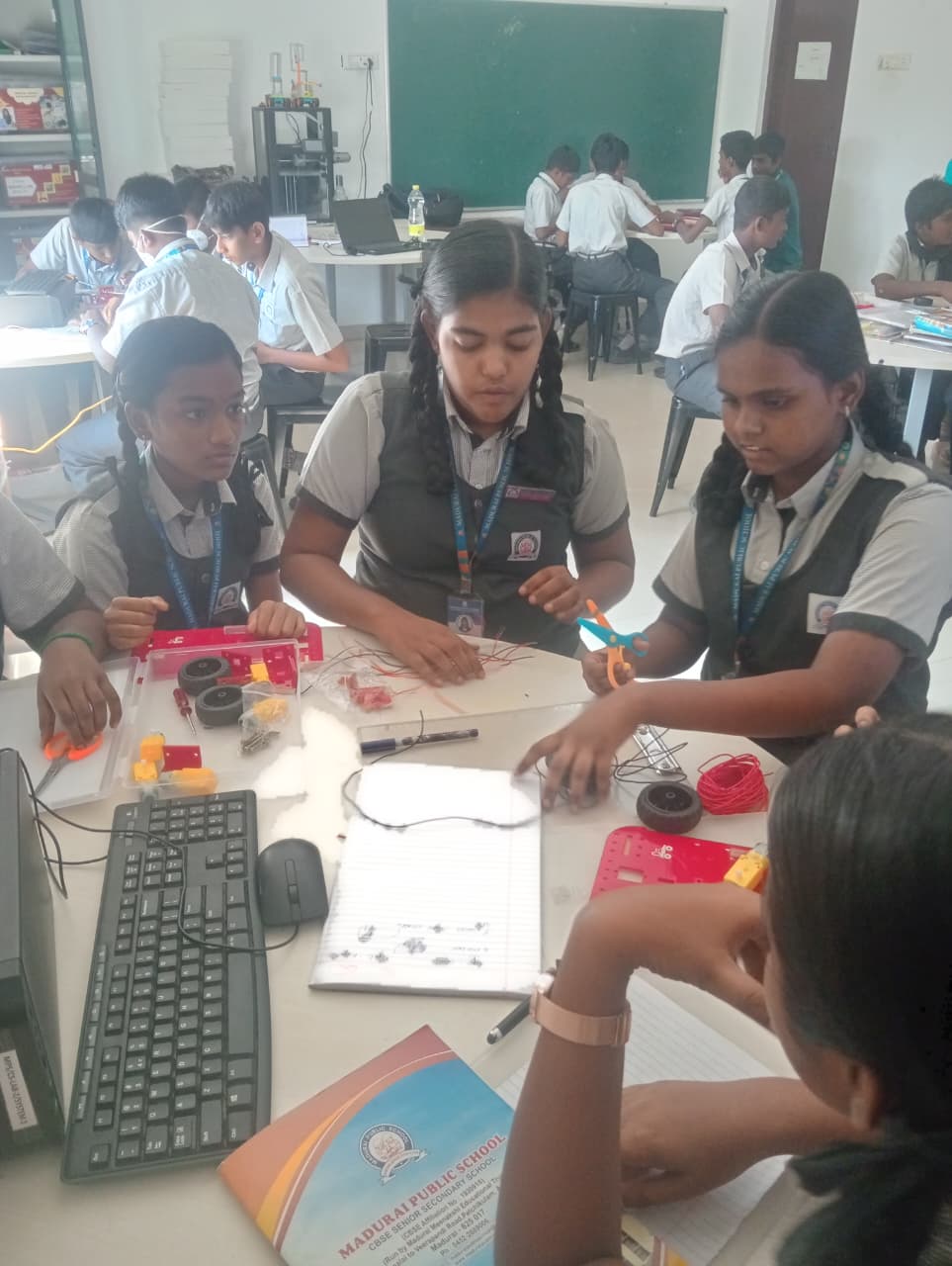

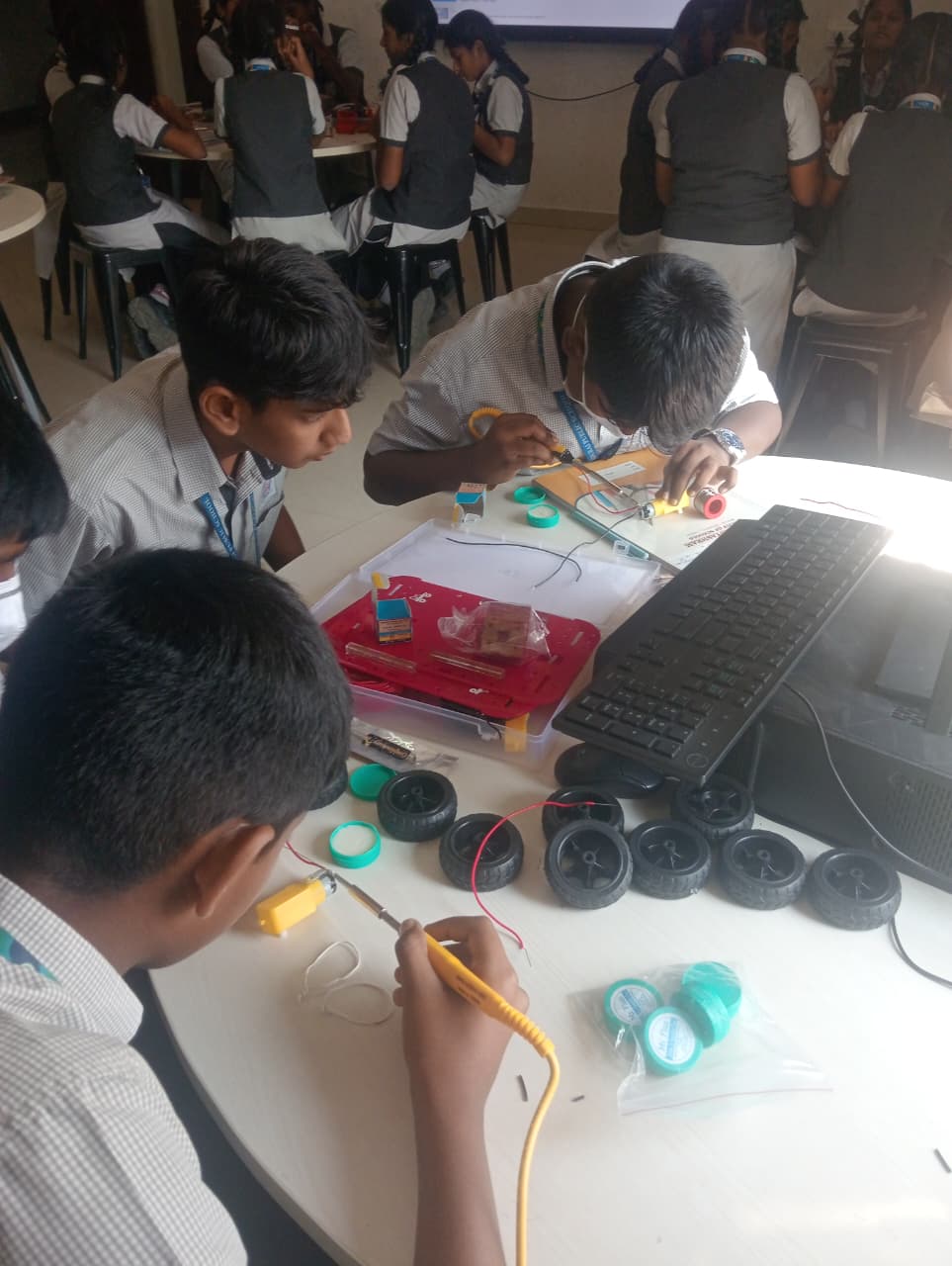
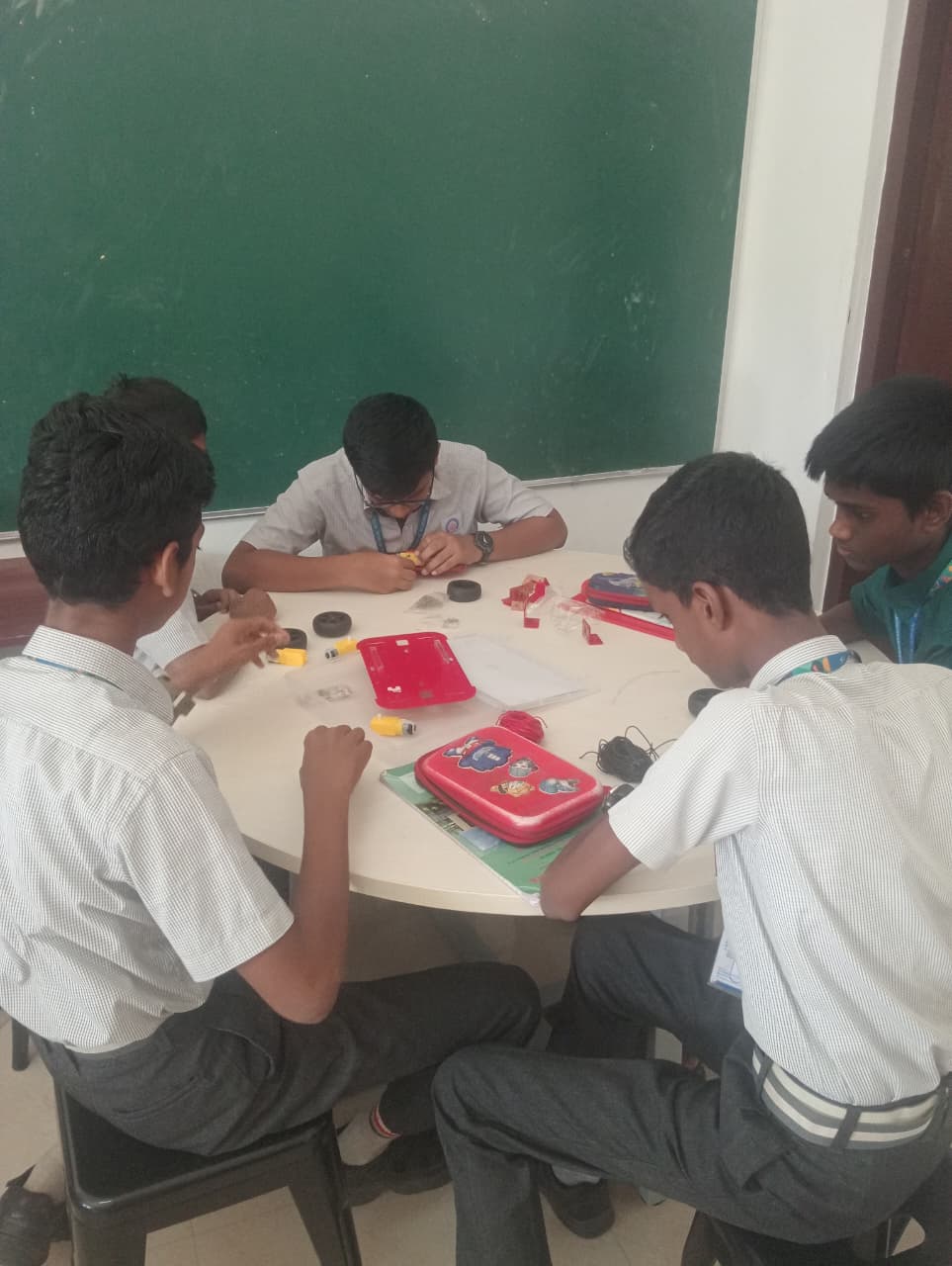
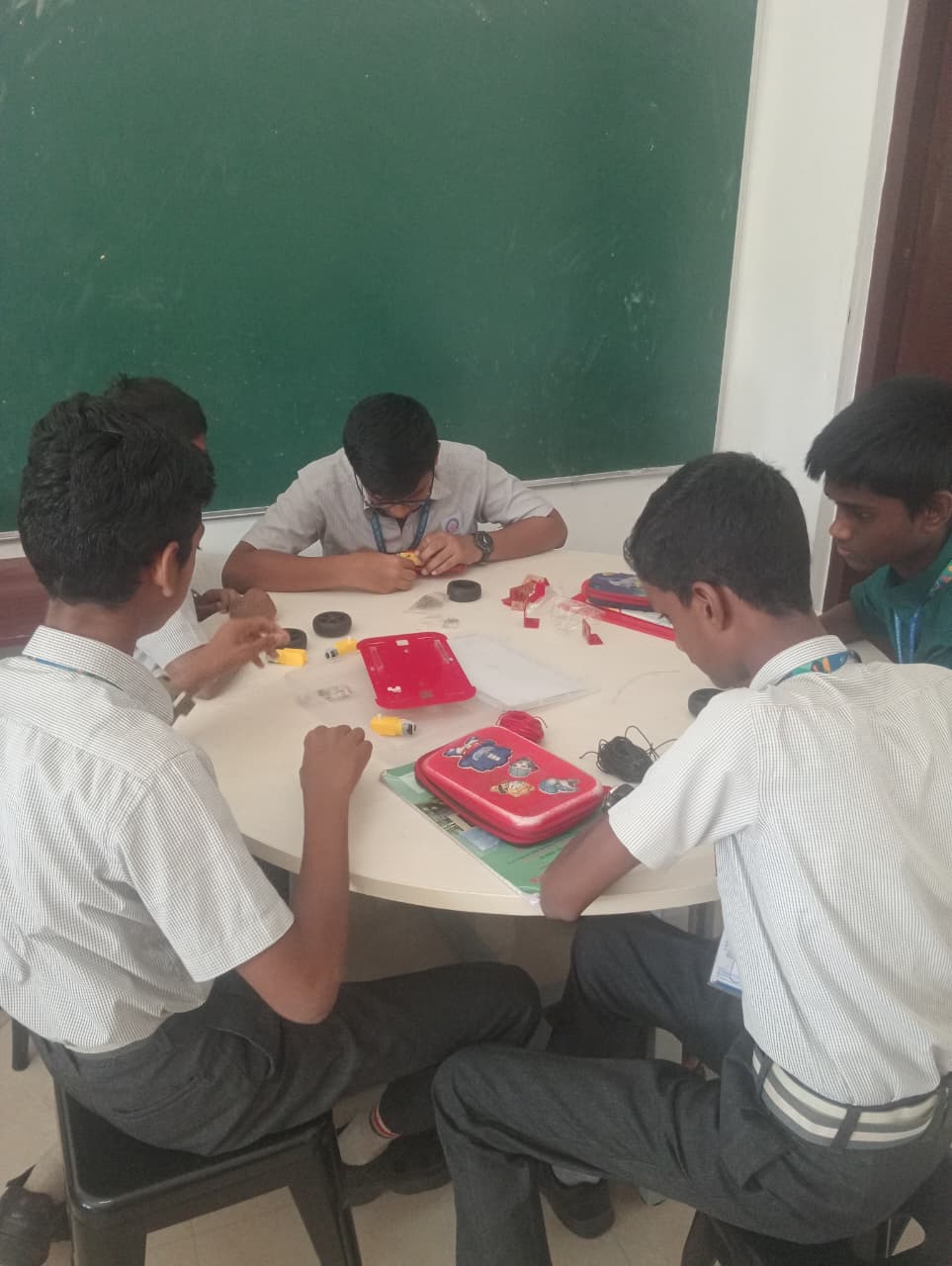
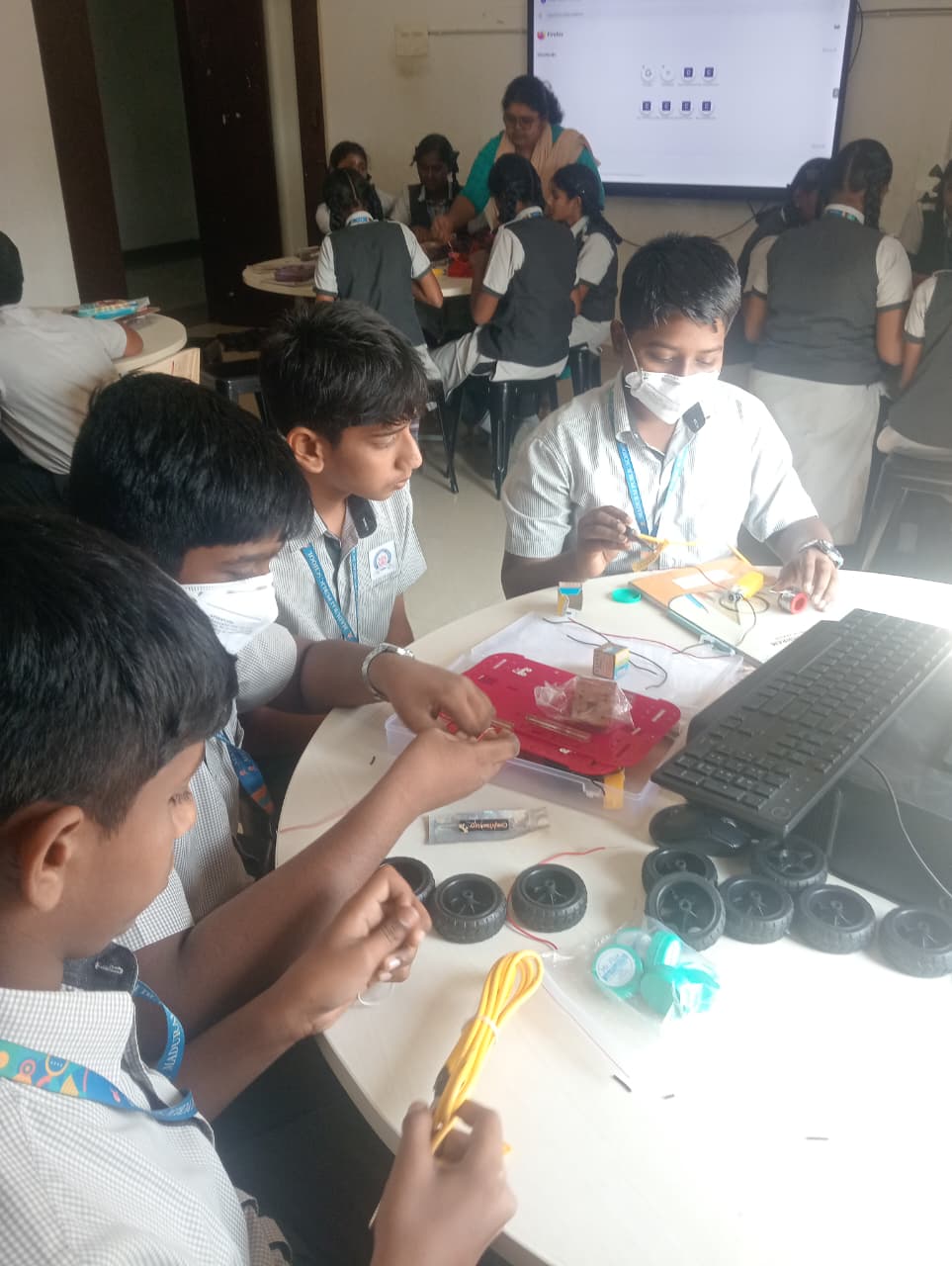

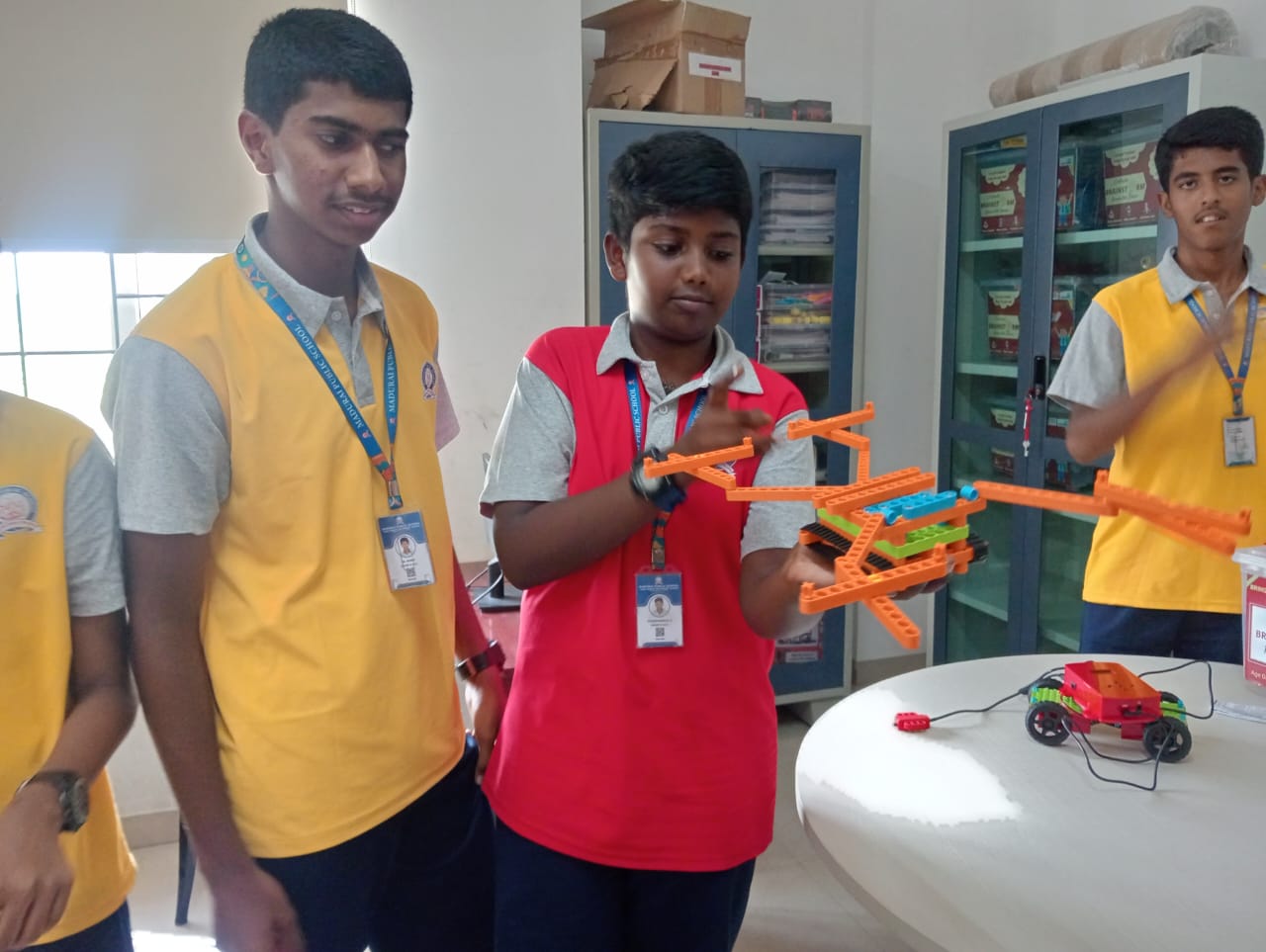
We give our children a learning environment & contribute to their success!
We have a rolling admissions process. Places, however, are limited.If you want to start the admission process click here: